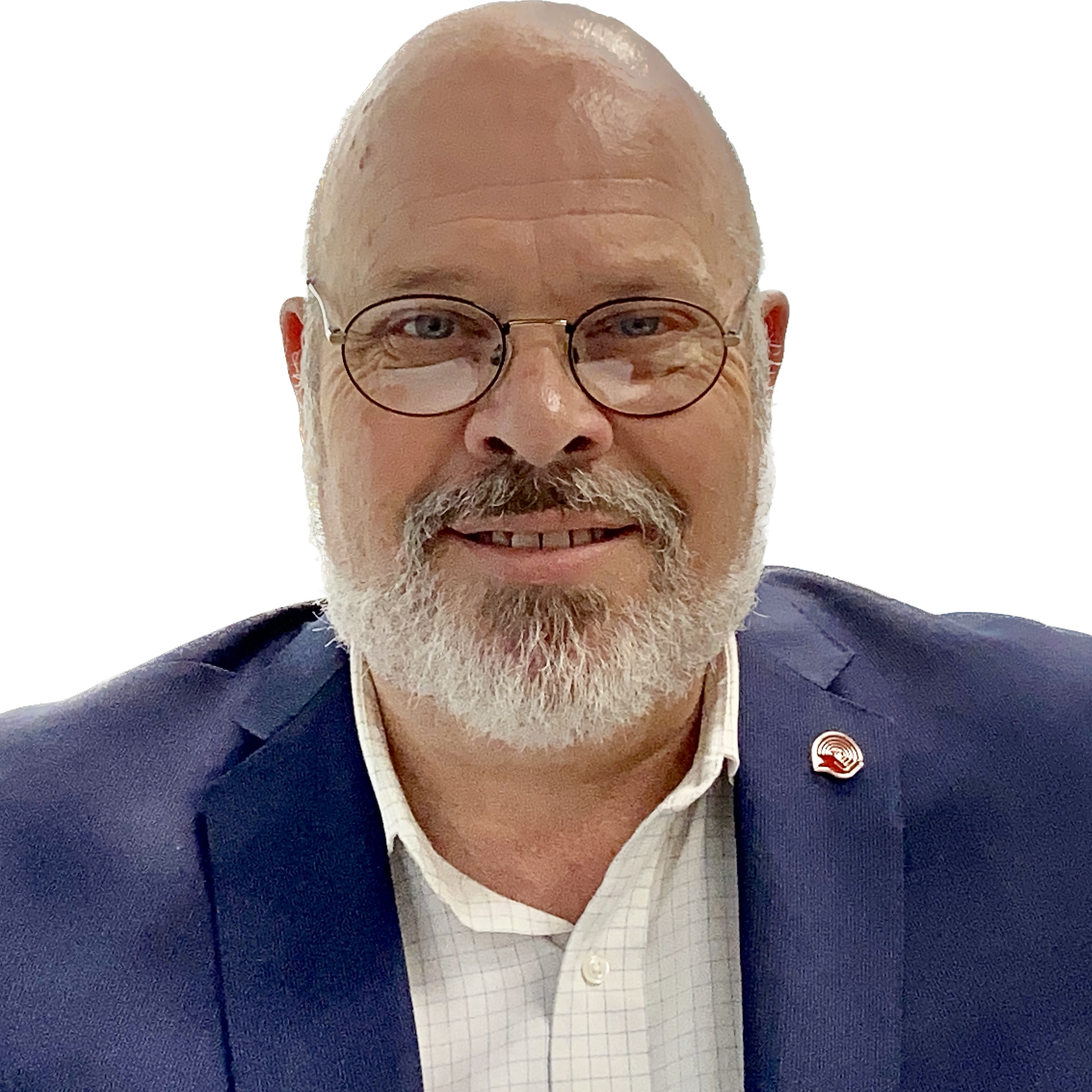
It’s an election year!

That was the comment I heard most last night at the special council meeting at Town Hall.

The meeting started early yesterday and I missed the first portion of the towns report on the potential changes to the official plan.  That in itself is a large post and I will endeavour to get that up as soon as possible.  You can find information on the official plan from the town’s website here.

The second portion of the meeting was the towns report on the Boyne Survey.  Again, a lengthy post and I will come out with more details soon.  Here is the link to the town’s site for more information.

The item that quite frankly, I thought would be lost in the shuffle was a report from staff on the application for market adjustments in pay for non union town employees.  This category includes town council and if it had passed as written, it would have been the fourth salary increase in four years for town council.  Members of town council are included in this category and according to Mayor Krantz last night, they are caught in a “lose-lose” situation. 

You would’ve had to be under a rock for the last 2 years to NOT notice our economy wasn’t doing so well.  Many people have lost their jobs, and companies were closing their doors including major employers in Milton.  Yet through all of the cut backs and job loses, one industry managed to make MORE money over these 3 years.  The public sector.

Milton CAO Mario Belvedere outlined to the gallery and to council last night the methodology of how these pay increases come about.  A citizens committee reviews the salaries and benefits of similar sized cities and towns in the GTA (when you look the report in detail you will see exactly which ones) and then comes up with an increase for Milton.  Some of these municipalities have increased the salaries of non union employees by over 3 % and some a little lower, so Milton chose 2%.

The idea behind it is employee retention.  The fear of someone quitting the town of Milton and going to work for Ajax or Mississauga is so strong they want to ensure they are paid well to keep the quality of workforce here in town.  Don’t get me wrong…I’ve said it before and I’ll say it again. 

The staff at the Town of Milton is top notch and probably the best at what they do. 

In fact, I’ll go out on a limb and say they should be paid more for what they do.  Unfortunately we are faced with something called an economic reality…the bottom line.

There are those who feel that council members should be paid more for what they do.  Most of them being members of council.  The job of town councillor (of which I am running for) is a part time position but I am under no illusion that it will be part time hours.  My eyes are WIDE open on this.  Dealing with the public, going out to events, answering emails and phone calls takes time.  I work full time, as most council members do, and that keeps me busy.  My two children and wife will also keep me busy, but they understand what I’m doing and are fully supportive.

Town councillors in Milton are among the lowest paid elected officials in Ontario.  Should they get more?  Possibly.  Can we do it now?  Quite frankly, no.

Again, its that nagging little thing called the bottom line that SHOULD stop a lot of spending like this.

Councillor Greg Nelson put forward a motion to pass the 2% increase for non union employees and exempt the increase for town councillors.  This as you would assume caused a lot of discussion.  Jan Mowbraysaid the increase was so small (according to her numbers it amounts to $43 / month) then why bother making the changes.  My response would be, since its so small town councillors wont notice the difference.

Councillor Schau commented that she’s worried that given the lower than the average salary might deter some good candidates from running in the election.  Candidates, like myself, should go into this with eyes wide open.  I’m not looking to run for a part time position for the pay.  That isn’t the motivator behind my candidacy.  If it was then I should just quit.  The salary for the town council position is roughly $27,000 per year (with some of that being tax free).  If someone is running for this job for the salary….they’re running for the wrong reasons.

Its about leadership.  Just imagine if a motion like this was put forward at the beginning of the term?  What would our numbers be like if the 3% from 2008 and the 2.5% increase from 2009 were limited to say 0.75% or 1%?  How much money would the town have been able to save?  “Nickels and dimes”, as they have been described my some members of council over the years, add up.  Would a limited pay increase caused a massive exodus to other towns and cities from staff workers?  Highly unlikely.  But the “nickels and dimes” would have added up to savings.  Voters in town would have seen council take a leadership role and feel that the bottom line was being addressed.  Only a few current council members actually take note of costs of items that pass every month.  It should be the majority of council looking at the bottom line.

With people in the private sector having to deal with salary cut backs and no increases to their salaries, its hard for them to accept the almost automatic pay increases of public sector workers.  This doesn’t help increase their confidence in elected officials.  It’s just one of the factors behind record low voter turnouts the last several years.

As I left someone made an interesting comment saying that no one on council brought up the provincial governments recent freeze on public sector salaries (albeit the provinces “freeze” has more holes in it that a sponge).  Discussion was had on the issue for about 10 minutes and eventually passed and will be finalized at the next council meeting.  This means our current council has only had 3 pay increases in their last term instead of 4.

Regular readers of my blog will know I’ve talked about the other pay increases ad nauseum here and here.

There will be those who say the pay increase was small and wont amount to much, but for me its about leadership and confidence.  My only issue with it, it took 3 years and the fact its an election year to finally bring it out.

Milton needs to elect leaders around the council and we have an opportunity on October 25th to do that.  If you are one who believes it needs to change, it’s up to do get informed, ask questions and get out and vote.  mike@mikecluett.ca if you have any questions.

Until then, I’ll see you at the doors.

Changes to Ontario’s Hospital Funding Formula

Today in the Ontario Legislature the governing Liberal party announced via the Throne Speech potential changes to Ontario hospital funding formula.

Details are expected to be released when the budget is delivered later this month by Finance Minister Dwight Duncan.  Will this mean more or less funding available for hospitals like Milton and the surrounding areas?

Will areas that are experiencing massive road (ie MILTON, ON) receive more funding to match the ever increasing demand for services or will we be left by the wayside?

Here is a link to the article in the Globe and Mail this afternoon.

More to come later.

Karen Howlett

Toronto From Monday’s Globe and Mail Published on Sunday, Mar. 07, 2010 10:07PM EST Last updated on Monday, Mar. 08, 2010 3:31AM EST

Ontario is preparing a radical change to hospital funding, tackling health costs by tailoring hospital budgets to match the size and age of their communities.

The new formula, which could quickly spread to other provinces if successful, would also give more money to hospitals that treat patients more efficiently, according to health care insiders and sources close to the government.

Governments across Canada face aging populations that are driving up health costs. The pressure is particularly acute in Ontario, where health care consumes 42 cents of every dollar in program spending, while the province struggles with a record deficit of $24.7-billion.

The new approach would do away with the global hospital budgets that for decades have allocated funding evenly across the board, and could reshape the way health spending priorities are set. Premier Dalton McGuinty’s so-called Health Based Allocation Model, or HBAM for short, would divert more money to hospitals in regions where the population is growing and aging . The proposed model, which may be announced as soon as the provincial budget later this month, would also reward better-performing hospitals. They would be in line for additional money based on how cost-effectively they treat patients.

“It’s hugely controversial because there could be winners and losers,” said a hospital executive who asked not to be named.

The model is designed to close the gap between hospitals that have more than enough funding to meet their operating budgets and those that are deep in deficit. Under such a scenario, some hospitals would receive no funding increase at all, the sources said.

Changing the way hospitals are funded would not actually produce savings for the province, especially when labour costs account for a huge chunk of a hospital’s budget. But the change would slow down the pace of growth, now running about 6 per centv a year, because it would put pressure on hospitals to operate more efficiently, the sources said.

“HBAM has never been about saving money,” said a source close to the government. “It’s all about getting the incremental new dollars to the most needed areas.”

The new model would direct extra funding to hospitals that serve growing populations, or populations of above-average age, which can be expected to have higher health care costs.

Under the current regime, Ontario’s 154 hospitals received a funding increase of 2.1 per cent for the fiscal year ending March 31, 2010, bringing their total base funding to $14.9-billion. But the government also quietly topped-up funding for a handful of cash-strapped hospitals. William Osler Health Centre, which operates three hospitals in Etobicoke, Brampton and Peel, received a $20-million increase to its base funding, the largest of any group.

Duncan Sinclair, professor emeritus and former dean of medicine at Queen’s University who led a restructuring of Ontario’s system in the 1990s, said most provinces are moving in the direction of introducing incentives for hospitals to boost their productivity.

“It would seem that Ontario is following a general trend,” he said.

Some hospitals already receive a portion of their funding based on pay-for-performance. For example, just under one-third of the funding for University Health Network, one of Canada’s largest operators, is based on performance because of the complexity of services offered by its three hospitals in Toronto.

Tom Closson, head of the Ontario Hospital Association, has urged the government to adopt a funding system that takes into account the quality of service a hospital provides as well as the mix of patients.

“The concept makes a lot of sense,” he said in an interview yesterday. “It ensures that we’re taking into consideration the community being served as well as the efficiency of the organization.”

But he cautioned that the proposed system should not be applied across the board to smaller hospitals in small towns and rural Ontario. Natalie Mehra of the Ontario Health Coalition also said expanding pay-for-performance to small hospitals would lead to further disparities between the level of care available in rural versus urban Ontario, and would force patients to travel farther for care.

Milton Community Policing Committee

I had a very brief meeting last night of the Milton Community Policing Committee (people were in a rush to get home to watch Canada vs. Germany in Olympic hockey) and I wanted to give a bit of an update as to what the committee is doing over the next year.

For those of you who are unaware of what the committee does, here is the mission statement of the organization:

logo3

The Milton Community Policing Committee’s purpose is to help promote a healthy and safe community, providing a means for residents, business owners, and community groups to communicate their concerns regarding public safety to all levels of government, and to work in a proactive and creative manner to address those concerns.”

The committee has been planning a number of events for 2010 which include taking part in the open houses of a number of new schools in Milton.  We will be having a table at the schools to inform parents, teachers and students of the committee’s presence and what we do. If everything works out, we will be having some local officers and fire fighters on site as well to teach kids about safety in and around our schools.

As you might have read in the Champion and in other papers, there recently was an attempted abduction of two children as they were going home from school.  Thankfully the kids knew exactly what to do and got home safely, called the police and the suspect was taken into custody.

Do your children know what to do in that situation?  What happens if the fire alarm goes off in school?  Does your family have an escape route planned in case of a fire or emergency in your home?

These are the things our local police and fire staff can teach both you and your children and that’s exactly why the MCPC are putting on these forums during the open houses.  All the dates and locations will be posted both here and on the MCPC website.

In addition to the schools, plans are now being finalized for a booth at this years Milton Street Festival on June 5th, 2010 in downtown Milton.  Close to 25,000 people are expected to flood Main Street this year and we will be there as well handing out information and answering any questions you might have.

We are always looking for people to join the committee so if you’re interested please email me mike@mikecluett.ca and I can provide you some details on how to get involved and help out making Milton a safer place to live.

Until then, I’ll see you at the doors.